
Short answer
The best time for a wedding in Jaipur is October to February, when days are pleasant and evenings cool. December and January nights get cold, May and June are very hot, and July to September is monsoon. Many families also avoid Kharmas and Chaturmas, so fix the muhurat first and book the venue early.
Jaipur hosts weddings all year, but the month you choose changes almost everything: the venue, the décor, what guests wear and how far in advance you need to book. Here is how the year usually plays out for a wedding in the Pink City.
October to February: peak wedding season
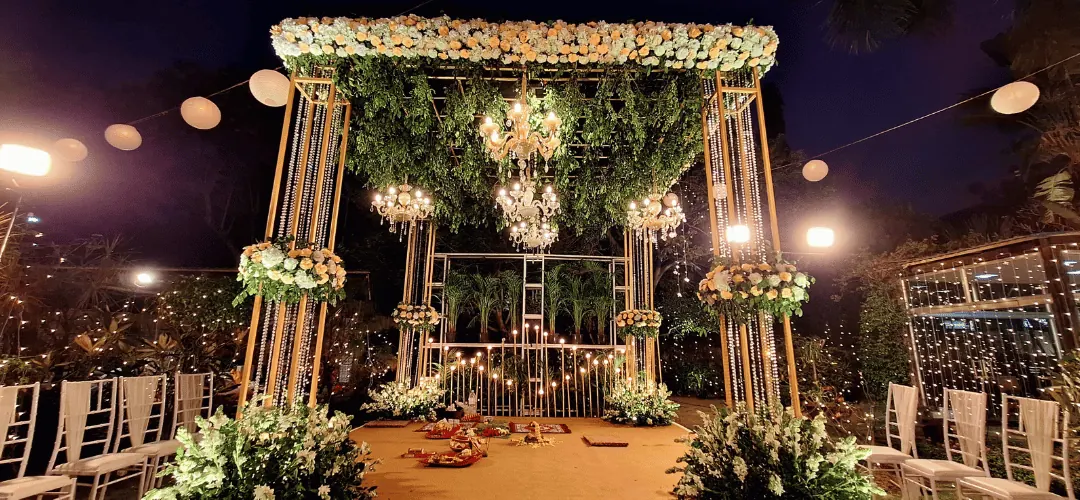
This is when most Jaipur weddings happen. Days are pleasant and evenings are cool, which makes it ideal for garden mandaps, outdoor receptions and destination guests who want to see the city.
- Book early. Popular venues in central areas like Bani Park are often booked months ahead for this season, especially on auspicious dates.
- Plan for cold nights. December and January nights can be chilly. Keep the late-night reception indoors or arrange heaters and shawls for elders.
- Expect higher demand. Decorators, caterers and photographers are busiest now, so lock them in alongside the venue.
March and early April: spring
Warm days and comfortable evenings make spring a good time for smaller weddings and evening functions. Daytime outdoor events start to get hot by April, so move the haldi earlier in the morning or into the shade.
Late April to June: summer
Jaipur summers are very hot, often well above 40°C in May and June. Weddings still happen, but the plan changes: indoor banquet halls for most functions, outdoor events only after sunset, and lighter fabrics in the décor. The upside is easier availability and more flexibility on dates.
July to September: monsoon
Rain makes open-lawn functions risky, and many families avoid this period for religious reasons (see Chaturmas below). If you do choose a monsoon date, a covered banquet hall is essential, and a venue with both a hall and a lawn gives you a dry fallback.
Auspicious periods that shape the calendar
Many families in Rajasthan plan around the Hindu calendar as much as the weather. Two periods matter most:
- Chaturmas, roughly from Devshayani Ekadashi in mid-monsoon to Devuthani (Dev Uthani) Ekadashi in Kartik, when many families avoid weddings. Devuthani Ekadashi, usually in November, traditionally opens the wedding season.
- Kharmas, roughly mid-December to mid-January and again mid-March to mid-April, when the sun is in Dhanu and Meena rashi and many families avoid fixing a wedding.
The exact dates move every year. Fix your muhurat with your family pandit first, then book the venue for that date.
How far ahead should you book a venue in Jaipur?
- Peak season, auspicious dates: as early as you can, ideally six months or more.
- Peak season, other dates: three to four months.
- Summer and monsoon: often possible at shorter notice.
Choosing a venue that works in any season
If your date might move, or your functions span morning and night, a venue with both indoor and outdoor space protects the plan. Shamiyana Gardens in Bani Park has a banquet hall set inside a garden lawn, with guest rooms and parking on site, so the same booking works in December and in June.
Already have a muhurat? Send us the date and we will confirm availability.
Frequently asked questions
Which month is best for a wedding in Jaipur?
October to February is the most popular period for weddings in Jaipur because days are pleasant and evenings are cool. December and January nights can be cold, so plan indoor space for late functions.
Can you have a summer wedding in Jaipur?
Yes, but plan most functions in an indoor banquet hall and hold outdoor events only after sunset, since May and June are very hot.
How early should I book a wedding venue in Jaipur?
For auspicious dates in peak season, book six months or more ahead. For other dates, three to four months is usually enough, and summer or monsoon dates are often available at shorter notice.